
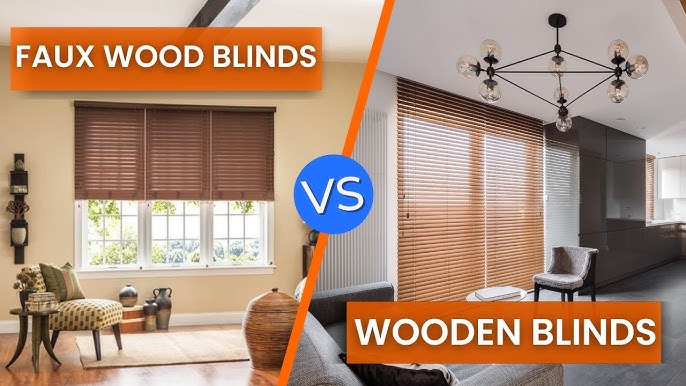
Wood and faux wood shutters are the two main choices. Both have benefits, but they also come with trade-offs. Shutters are more than just window coverings. They control light, enhance privacy, and add style.
This article breaks down the differences between the two. We’ll explore their looks, durability, upkeep, cost, and efficiency. By the end, you’ll know which suits your home best.
What Are Wood Shutters?
Wood shutters have stood the test of time. Made from hardwoods like basswood, cedar, and pine, they bring warmth and elegance to any room. They fit into almost any décor, from rustic to modern.
Characteristics of Wood Shutters:
- Material: Basswood, cedar, and mahogany are common choices. Basswood is light and easy to work with, while cedar resists pests and has a distinct scent.
- Customization: you can paint, stain wood shutters, or leave them natural. You can tailor them to fit any window size.
- Design: From classic plantation to modern styles, wood shutters offer a wide range of looks. You can opt for full-length or tier-on-tier shutters. They allow independent control over the top and bottom panels.
Wood’s appeal lies in its texture and natural beauty. The grain and color of the wood can create a welcoming atmosphere. But wood requires care. It’s vulnerable to moisture, heat, and sunlight, leading to warping, cracking, and fading. You need regular maintenance like repainting or restaining to preserve its appearance.
What Are Faux Wood Shutters?
Faux wood shutters are synthetic, designed to mimic the look of wood. Made from materials like PVC, polymer, or composite, they are durable and moisture-resistant. Hence, they are ideal for areas where wood shutters might not last.
Characteristics of Faux Wood Shutters:
- Material: Faux wood is made from PVC, polymer, or composite materials. These can replicate wood’s texture and grain but without the risk of warping or rotting.
- 내구성: Faux wood resists fading, cracking, and pests. It’s ideal for bathrooms, kitchens, or coastal areas.
- 유지 관리: Faux wood requires almost no upkeep. A wipe-down is all it needs. No painting or restaining is required.
Faux wood shutters bring a sleek, modern look. While they lack the organic depth of natural wood, they’re durable, low-maintenance, and cost-effective. They’re perfect for homes with contemporary or minimalist décor and for those who prefer less upkeep.
Aesthetic Considerations
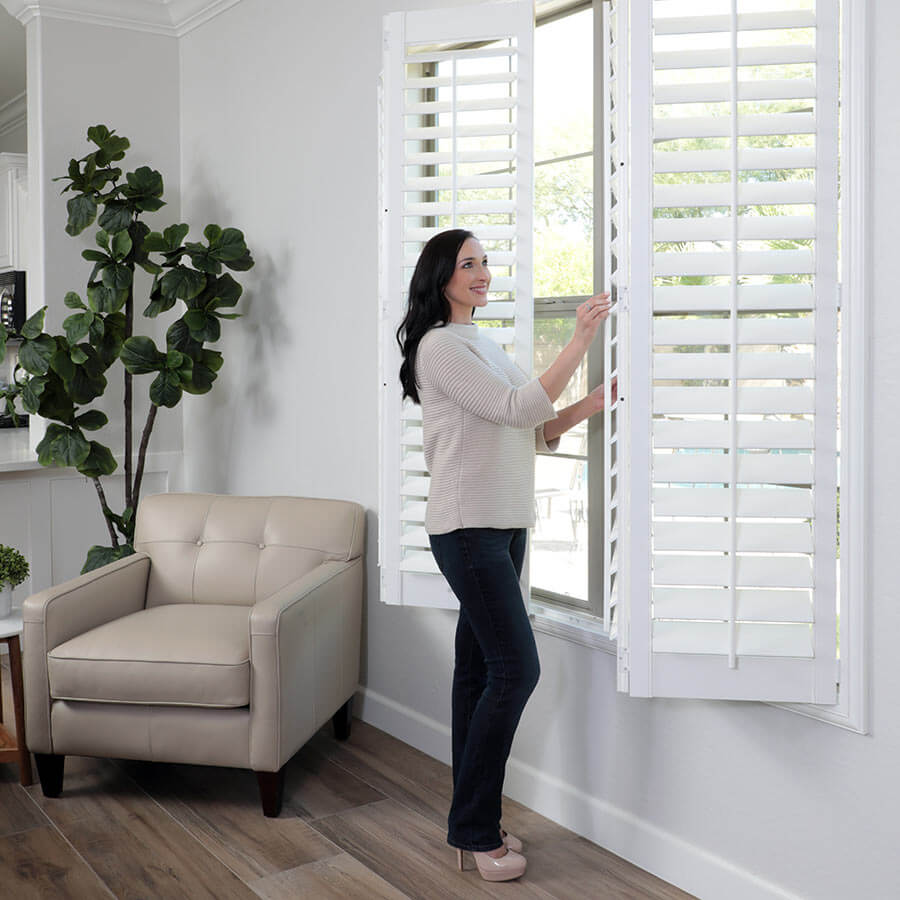
Regarding looks, wood and faux wood shutters offer different styles, and your choice will depend on the feel you want to create in your home.
Wood Shutters: Wood exudes warmth and character. The wood’s grain, color, and texture add life to any room. Wood shutters fit seamlessly into traditional or rustic homes. Over time, wood develops a unique patina, adding even more charm. Wood is best for creating a cozy, inviting space in living rooms or bedrooms.
Faux Wood Shutters: Faux wood offers a smooth, polished look. It doesn’t have the same texture as real wood, but its sleek finish works well in modern homes. Faux wood shutters are versatile and can blend with various interior designs. They are especially suited for kitchens and bathrooms, where easy cleaning and moisture resistance are priorities.
Durability and Maintenance
Shutters are a long-term investment. How they stand up to wear and tear is crucial.
Wood Shutters: While wood is strong, it’s susceptible to environmental factors. Moisture, heat, and sunlight can cause wood to warp or fade. To keep wood shutters looking good, you need to repaint or restain them periodically. In humid areas, this is even more important.
With proper care, wood shutters can last a lifetime. Their durability depends on how much attention they get. Over time, the wood ages beautifully, developing a rich patina.
Faux Wood Shutters: Faux wood shutters are built to last. They resist moisture, UV rays, and pests, making them ideal for humid climates. Faux wood doesn’t require painting or restaining, making it a low-maintenance option. These shutters stand up to daily use, looking new for years.
If you want something nearly maintenance-free, faux wood is the way. It’s durable and built to handle the elements without degrading.
Cost Comparison
Cost plays a significant role in any home improvement decision. Wood shutters are generally more expensive than faux wood, but both materials vary in price depending on size and design.
Wood Shutters: Wood shutters are pricier. The quality of the wood and the craftsmanship involved can push costs up. Additionally, maintenance like repainting and restaining adds to the long-term cost.
But wood offers long-term value. It’s a classic material that never goes out of style. Wood shutters will serve you for decades if you’re willing to invest in upkeep.
Faux Wood Shutters: Faux wood shutters are more affordable. They’re cheaper to make and less labor-intensive. Upfront costs are lower, making them a budget-friendly option. The lack of maintenance costs also makes faux wood more affordable over time.
While faux wood may not have the same lasting value as natural wood, it provides a solid and cost-effective solution for homeowners on a budget.
에너지 효율성
Shutters help regulate your home’s temperature. Both wood and faux wood offer some degree of insulation, but they do so in different ways.
Wood Shutters: Wood provides natural insulation. It can help keep your home warm in winter and cool in summer by blocking heat and drafts. While not the most effective insulator, wood still offers solid energy efficiency. It’s ideal for climates that don’t experience extreme temperature fluctuations.
Faux Wood Shutters: Faux wood shutters tend to be better insulators. Many faux wood shutters are designed with a hollow core, adding extra insulation. This helps maintain a stable indoor temperature, keeping your home cooler in summer and warmer in winter. Faux wood’s moisture resistance ensures its insulating properties won’t diminish over time.
If energy efficiency is a priority, faux wood might be the better choice. It has the edge when it comes to insulation.
Environmental Impact

If you’re concerned about sustainability, consider the environmental impact of each material.
Wood Shutters: Wood is renewable, mainly when sourced sustainably. Many manufacturers use FSC-certified wood, ensuring that it comes from responsibly managed forests. However, the process of harvesting, processing, and transporting wood still has an environmental cost.
If you want a more eco-friendly option, look for wood shutters made from certified sustainable sources.
Faux Wood Shutters: Faux wood is made from synthetic materials, often plastic or PVC. These materials aren’t biodegradable and come from non-renewable resources. While faux wood lasts longer and requires less maintenance, its environmental footprint is more extensive.
Faux wood is a practical choice, but it’s less sustainable than wood.
Installation and DIY Considerations
When it comes to installing shutters, the complexity of the process can affect your choice between wood and faux wood. While both materials are available in custom sizes, some differences may make one option easier to handle, especially for those interested in a DIY installation.
Wood Shutters:
Wood shutters often require more precise installation due to their heavier weight and potential for warping. Measuring accurately is essential, as well as ensuring the frame is sturdy enough to hold the shutters. Professional installation might be the best option for those new to home improvement projects, as it requires skill to ensure everything aligns properly and functions smoothly. Additionally, wood shutters can sometimes require adjustments over time due to changes in temperature or humidity.
Faux Wood Shutters:
Faux wood shutters are typically lighter than natural wood, making installation easier. Many faux wood shutters are available with pre-drilled holes for mounting, which speeds up the installation process. For DIY enthusiasts, faux wood shutters can be a good option, as they’re easier to handle and generally more forgiving during installation. The materials are less likely to shift or warp after installation, providing long-term peace of mind.
Both wood and faux wood shutters can be installed by professionals or as a DIY project, but faux wood tends to be the simpler, more forgiving option for those without much experience. Depending on the complexity of the design and the window frame, DIY installation can save money, though professional help may be necessary for a more polished finish.
Which One Is Right for Your Home?
Choosing between wood and faux wood comes down to your needs.
- 예산: Faux wood is more affordable and needs less maintenance. Wood is pricier but offers timeless beauty.
- 스타일: Wood brings natural warmth, while faux wood offers a clean, modern look.
- Climate: Faux wood thrives in humid areas. Wood works best in dry climates.
- 유지 관리: Faux wood requires little upkeep. Wood needs regular care.
- 에너지 효율성: Both options are efficient, but faux wood has better insulation.
Ultimately, the best choice depends on your priorities. If you want the classic beauty of wood and are ready to maintain it, go for wood. If you want something more durable, low-maintenance, and budget-friendly, faux wood is the way to go.
결론
Wood shutters bring timeless beauty, warmth, and an undeniable sense of craftsmanship. They elevate any room’s look with rich grain patterns and natural textures that bring a touch of nature indoors. They fit well in traditional, rustic, or even modern interiors when you want a more organic feel. Yet, wood shutters need more care and maintenance. They are vulnerable to moisture, heat, and sunlight, so they may need regular painting, staining, or refinishing to keep their appeal, especially in areas with fluctuating humidity levels. If you are willing to invest the time and effort into maintaining them, wood shutters can provide lasting value and become a cherished feature in your home for years to come.
But faux wood shutters provide a durable, low-maintenance alternative without compromising style. Their synthetic materials make them highly resistant to moisture, fading, and pests, which makes them ideal for kitchens, bathrooms, or coastal homes where exposure to humidity and direct sunlight is everyday. They are also more affordable and need little upkeep—just a quick wipe-down now and then. While they don’t have the same natural depth and texture as real wood, faux wood shutters still deliver a polished, modern look and can closely mimic the wood’s appearance. They are a practical choice for homeowners who prefer convenience, ease of maintenance, and durability at a lower cost.
 Korean
  English
  Arabic
  Dutch
Dutch  Spanish
  Portuguese
  French
  German
  Italian
  Indonesian
  Greek
Greek  Turkish
  Chinese (Taiwan)
  Chinese (China)
  Japanese